
South Carolina Department of Health and Environmental Control (SCDHEC) Regulation 61‑56 governs the proper treatment and disposal of domestic wastewater through onsite wastewater systems—commonly referred to as septic systems. This regulation is foundational to safeguarding public health, preserving water resources, and maintaining environmental quality in communities that rely on septic systems rather than municipal wastewater treatment plants. It establishes standards, procedures, and requirements for the design, installation, maintenance, and repair of septic systems throughout South Carolina, including cities like Greer.
Purpose of Regulation 61‑56
The main purpose of Regulation 61‑56 is to ensure that domestic wastewater is treated and disposed of in ways that minimize health risks and environmental harm. Where public sewer systems are unavailable, improperly managed onsite wastewater can lead to outbreaks of diseases such as dysentery, hepatitis, and typhoid. By setting clear guidelines for onsite wastewater management, the regulation aims to prevent fecal contamination of drinking water sources, eliminate public health hazards, and protect the community from nuisances related to wastewater exposure.
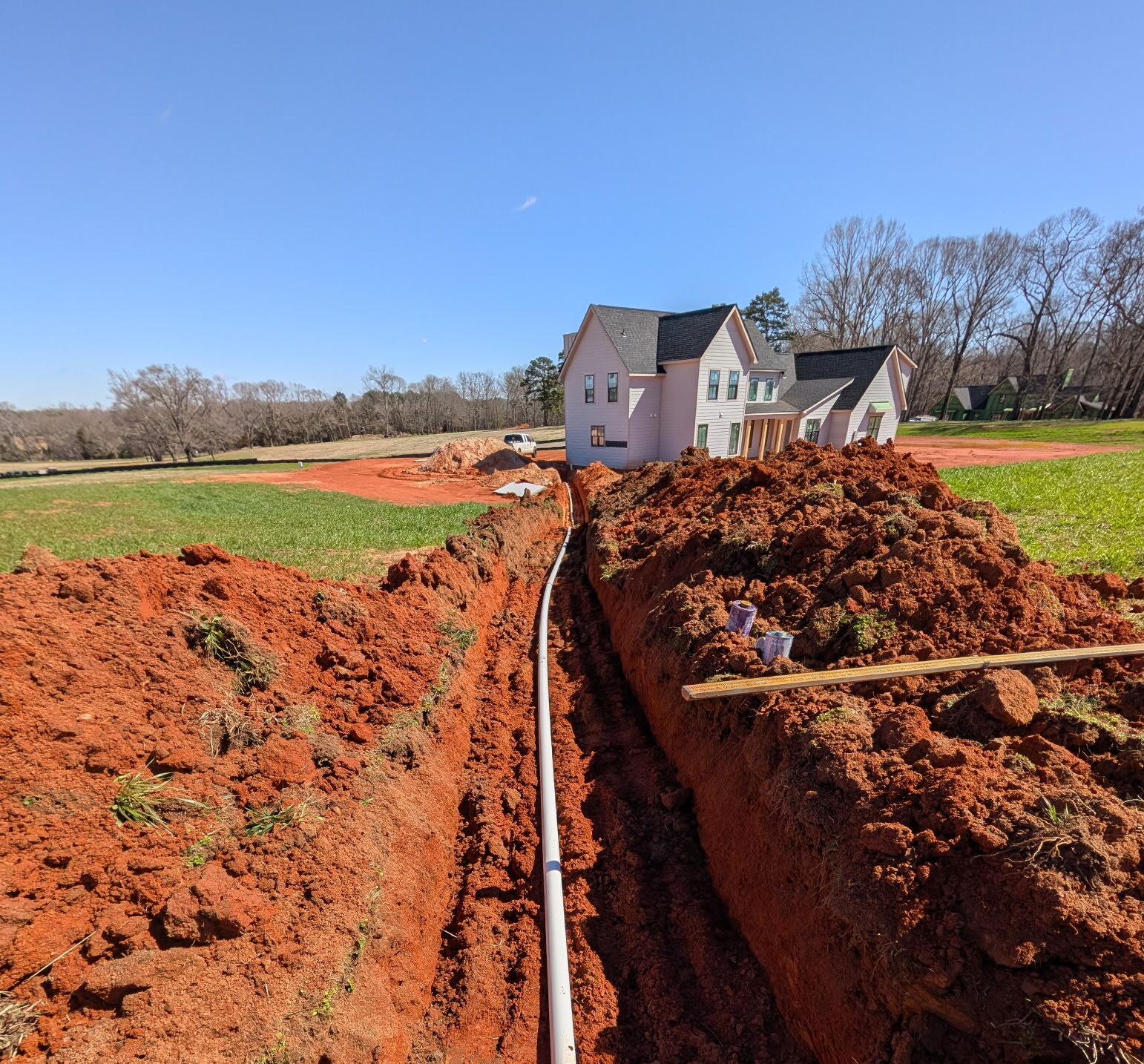
Key Standards for Septic Systems
Regulation 61‑56 specifies the minimum standards for the construction, design, and installation of septic systems, and describes the requirements for their location relative to buildings, wells, and property boundaries. Some core standards include:
-
Septic tank size: No system may have a net liquid capacity of less than 1,000 gallons, ensuring adequate service for residential properties. For systems serving high-use facilities, tank size calculations factor in peak sewage flow to prevent overflow and premature failure.
-
Site evaluation: Before a system is installed, SCDHEC requires a site assessment to check soil conditions, proximity to water sources, and adequacy of space for both initial installation and future replacement areas. Soil descriptions, backhoe pits, soils classification, and location sketches are often mandatory parts of the application.
-
System setbacks: Septic systems must be located at established distances from wells, surface water, and property lines to reduce contamination risks. Soil texture, depth to saturating horizons, and the presence of restrictive or rocky layers all affect siting decisions, with vertical separation requirements in place to keep effluent away from groundwater.
-
Replacement area: Property owners must maintain a reserve area—at least 50% of the original system’s size—suitable for future repairs, ensuring that long-term wastewater treatment needs are met if the primary system fails.
Permitting, Inspection, and Maintenance Requirements
A septic system cannot be installed, operated, or repaired without the appropriate permits from SCDHEC. The process usually consists of:
-
Permit application: Submitting detailed site plans, soil reports, and system specifications. Applications must include all factors that may influence system design and placement, such as property layout and anticipated household size.
-
Construction approval: Systems must be installed by licensed professionals following approved design standards. The property must be inspected prior to issuing a certificate of occupancy to ensure compliance with site and system requirements.
-
Ongoing operation: Property owners are responsible for the proper maintenance and operation of their systems, including routine pumping and inspection. Any repairs or upgrades must comply with the latest regulation updates and be reported to SCDHEC as required.
Specialized Systems and Advanced Treatment Options
For facilities generating peak flows above 1,500 gallons per day, or where unique site conditions exist (e.g., poor soils, shallow bedrock, wetlands), Regulation 61‑56 permits advanced treatment solutions and innovative designs. These may include:
-
Aerobic treatment units that provide higher levels of purification.
-
Subsurface drip irrigation systems for effluent disposal.
-
Lagoons, low-pressure pipe distributions, and other specialized technologies, all of which must obtain additional approvals or permits from SCDHEC or the Bureau of Water. For official and detailed standards, you can see Regulation 61‑56: Onsite Wastewater Systems PDF.
Complex or large-scale systems may also require a Land Application Permit under R.61‑9, and all applicants must demonstrate their wastewater discharge will not adversely impact drinking water resources or public health.

Why Compliance Matters
Compliance with Regulation 61‑56 is not only a legal responsibility but also an essential part of protecting community health and the environment. Properly designed, sited, and maintained septic systems help avoid costly failures that may cause groundwater contamination, property damage, and threats to local ecosystems. For homeowners and business owners, following these requirements ensures safe wastewater treatment, avoids penalties and remediation costs, and contributes to a healthier, more sustainable community.
Regulation 61‑56 in Greer, SC
In Greer, SC, onsite wastewater systems must meet all standards outlined by SCDHEC Regulation 61‑56. Whether installing a new septic system for residential or business use, or upgrading an existing one, property owners should work with professionals familiar with both local soil conditions and current regulatory requirements. Expert advice, timely permitting, responsible maintenance, and careful site management help ensure that septic systems continue to serve safely and effectively for years to come.
For reliable information or assistance with septic system service needs in Greer, connect with SC Septic LLC—trusted for attention to detail and regulatory expertise.